
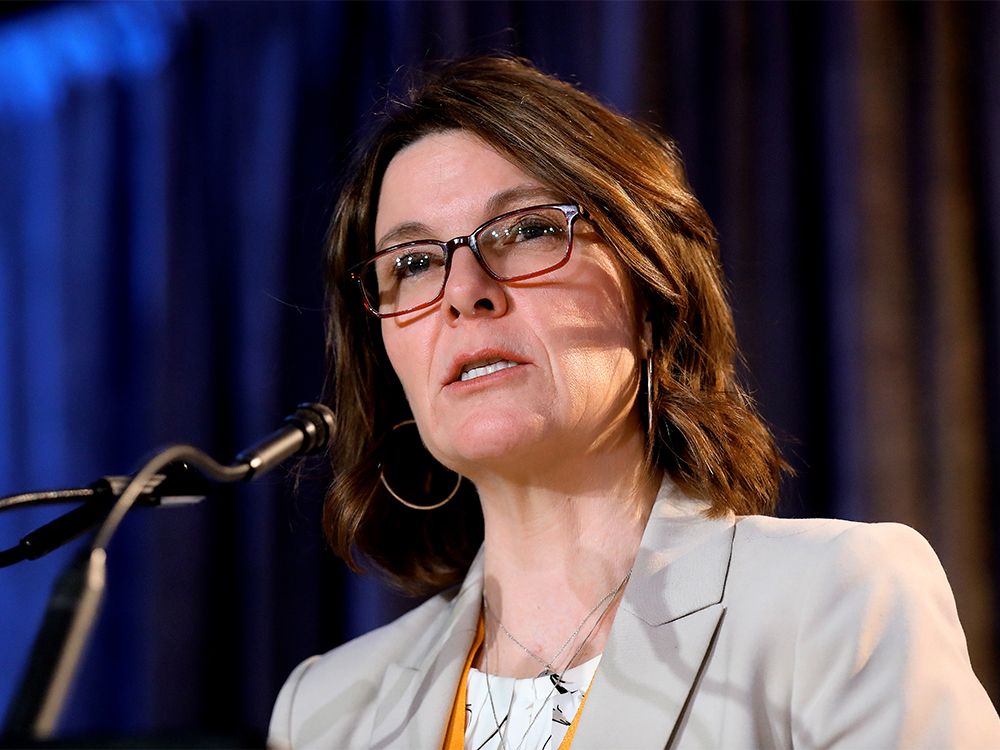
Municipalities in southern Alberta, weary of taking on the role of "the bad guy," are urging the provincial government to begin levying its own education property taxes—alternatively, they want the government to start sending out bills under their official stationery.
Okotoks Mayor Tanya Thorn mentioned that the education tax, collected by municipalities for the provincial government, will rise approximately 23 percent. In contrast, the municipal budget is set to increase around 4.5 percent. She explained that typical homeowners aren't aware their property taxes cover expenses at both local and provincial governmental levels.
"It seems like what I'm paying to the Town of Okotoks has increased quite substantially compared to last year," she remarked.
Thorn states that she sees no problem with the price of education or the requirement for additional schools, however, she feels that the province ought to generate its own taxation revenue.
She’s additionally advocating for an "uplifting discussion" regarding how Alberta finances education.
"I'm not convinced that basing our education system funding on the value of your home is the right approach for today," stated Thorn.
The mayor of Nanton, Jennifer Handley, stated that property taxes in the town located in southern Alberta will rise by 6.3% this year, equating to approximately $206 more for an average household. Of this total increase, 4.1% comes from educational taxes, while the municipal portion represents a 2.2% hike.
"We completed our task. We got down to essentials. We prioritized accordingly," Handley stated in a recent social media post.
However, the education requirement surged by a "stunning" 21 percent, amounting to an extra $150 on Nanton homeowners' property tax statements, according to Handley.
Although the town acknowledges the support from the Alberta government in this matter, constructing two new schools in Nanton Handley stated that the rise isn't specific to schools, as numerous other communities nearby have experienced comparable increases in the education tax.
"It's not only our issue; councils throughout Alberta are experiencing similar frustrations," stated Handley.
The council of Nanton is urging the province to begin sending out property invoices using their own official stationery. This way, municipalities won’t have to take the heat for provincial choices that are concealed within municipal tax statements.
Related
People living in countryside communities will also experience the impacts of increased education taxes.
Throughout the region, communities are seeing double-digit hikes in the education tax this year, according to Vulcan County Reeve Jason Schneider.
Vulcan County has reduced residential taxes twice within the last three years to encourage investments; however, without prior discussion, the hike in education taxes "largely negates" this effort, as mentioned.
"We get to play the villains," said Schneider.
Schneider recognized that education has faced funding shortages, however, he also stated that Alberta requires a more effective approach to catch up.
At a local level, financing education from the provincial treasury instead of raising property taxes would be a more equitable method for covering the costs of constructing new schools, according to Schneider.
“When individuals are facing difficulties, this only adds more burdens to their shoulders,” he stated.
Municipalities in Alberta urging the provincial government to collect education taxes
Alberta Municipalities has been urging the province for many years to handle the collection of education tax, aiming to clear up the confusion surrounding provincial and municipal property taxes, according to President Tyler Gandam.
"The initial step should involve them openly stating that this is a provincial property tax, followed by ultimately becoming responsible for collecting their own property taxes," he stated.
They have much clearer methods for collecting and raising taxes; implementing this through municipal property taxes lacks transparency.
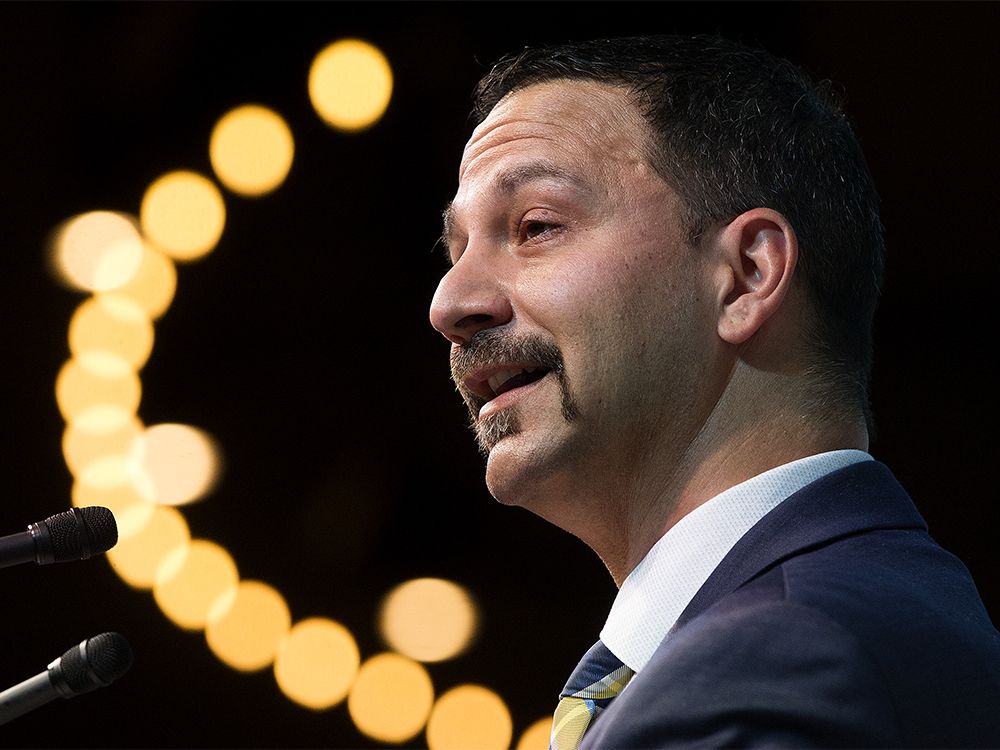
Gandham stated that it would be "counterproductive" for the Alberta government to raise the education tax while simultaneously reducing individuals' personal income tax. mentioned in the 2025 budget announcement .
He pointed out that while the reduction in income tax is highlighted prominently in the news, the subsequent increase in education tax happens in a less transparent manner.
The province is 'urging' local governments to clarify their present circumstances.
Kevin Lee, the press secretary for Municipal Affairs Minister Ric McIver, stated in a release on Thursday that municipalities should inform their residents that the education property tax is gathered at the provincial level "enabling Alberta’s government to reinvest the entire amount into supporting student success within our top-tier educational system."
Historically, the education property tax was responsible for financing one-third of educational expenses; however, this contribution has decreased in recent times, according to Lee.
"By reinstating the education property tax at previously funded amounts, we are making unprecedented investments in education totaling over $9.8 billion to tackle increasing enrollment demands," stated Lee.