
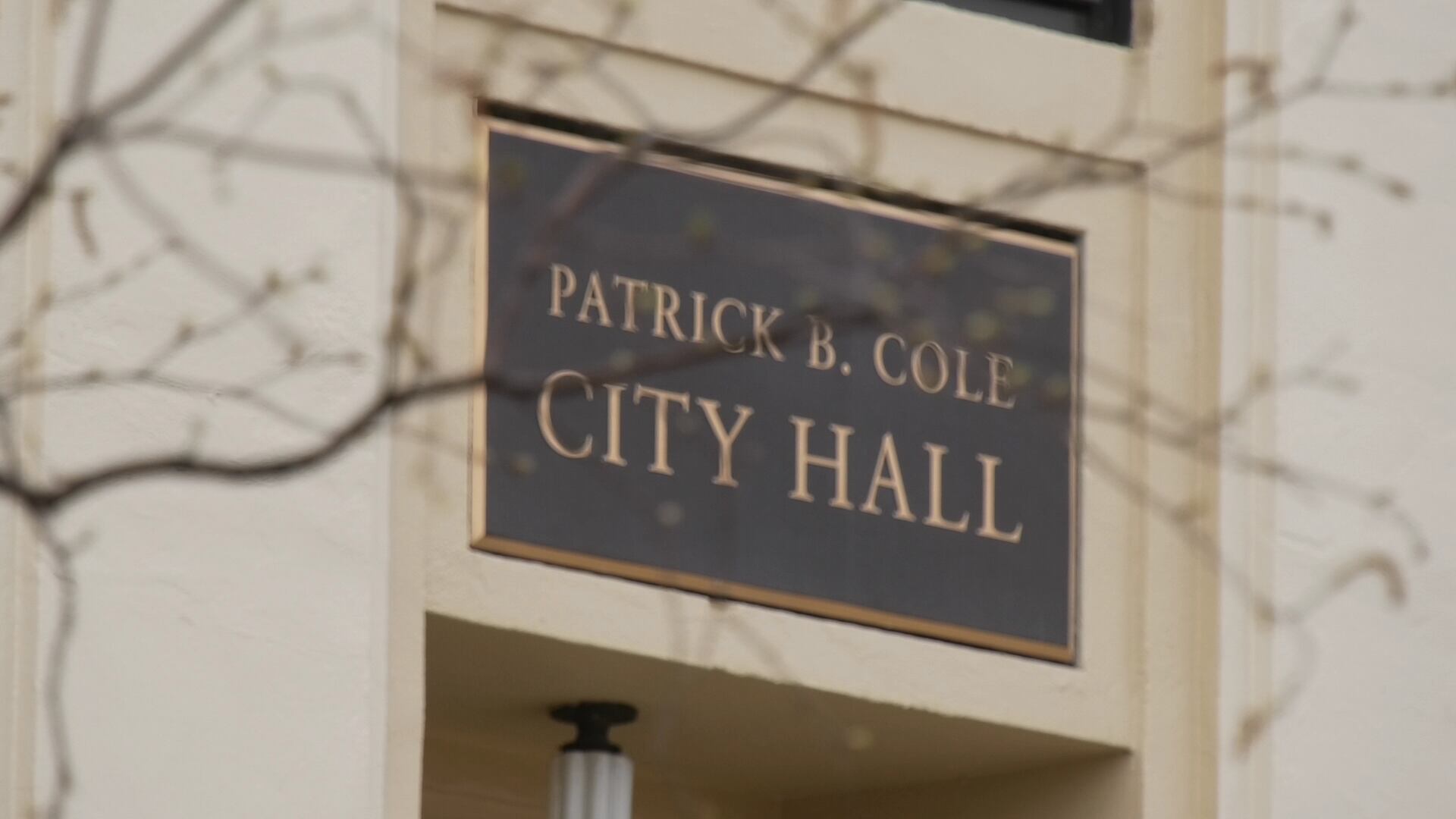
In an attempt to improve connections between vulnerable individuals in the Fairbanks community who face homelessness, intoxication, or mental health challenges with necessary resources, city council members approved a vote of 4-1 to grant a nonprofit organization called Fairbanks Integrated Community Services a yearly budget of $325,000 for a period of three years. This funding is intended to support their operation of an Emergency Service Patrol aimed at addressing these needs.
"I believe this will be an excellent enhancement to the services we offer the community, and it appears there is greater emphasis on mental health aspects compared to our previous offerings," stated Councilmember Valerie Therrien, who supported the contract with her vote.
When the service was interrupted due to disagreements between program directors seeking higher funding than what the city could provide, Therrien mentioned that the local police and fire brigades took over handling those emergency responses.
Now, when specific scenarios affect particular groups, Therrien, expressing faith in the nonprofit organization and its co-founder’s capability to deliver the necessary services, mentioned that the nonprofit will address calls directed to the Fairbanks Emergency Communication Center (FECC).
"Anthony Mosinski has experience with the Mobile Crisis Unit for the city, making him well-qualified to offer those services," she explained.
Mosinski stated that to achieve the patrol’s objective of building lasting connections, enabling individuals to access support before hitting a critical stage, their strategy involves engaging with locations commonly visited by the local homeless population.
However, Councilmember Lonny Marney cited unanswered concerns as to why he was the sole no vote. Those included whether the nonprofit could fill two vacancies, a perceived lack of communication with the Fairbanks Police Department, unclear boundaries and hours of operation, and unarmed staff responding to emergencies.
"Primarily using words to defuse conflicts," he said.
Mosinski said that while the patrol will sometimes respond to 911 calls relayed by the FECC, their primary responsibility will be non-emergency situations that do not involve weapons or immediate medical needs.
Spot a typo or mistake? Let us know! web@ktuu.com