
Parents are growing more bewildered regarding the proper way to look after their children’s vision, coinciding with rising levels of nearsightedness among kids, as indicated by recent studies.
Specialists caution that the number of nearsighted children in the UK has increased twofold over the past fifty years, with forecasts indicating that perhaps half of all Britons might become myopic by 2050.
This concerning pattern has been underscored by optometrist Professor Bruce Evans, who holds the position of visiting professor at City St George’s and London South Bank University.
Even with rising recognition of the growing incidence of nearsightedness, a new poll carried out by the parent community Mumsnet highlights a substantial lack of knowledge among moms and dads about tackling this problem effectively.
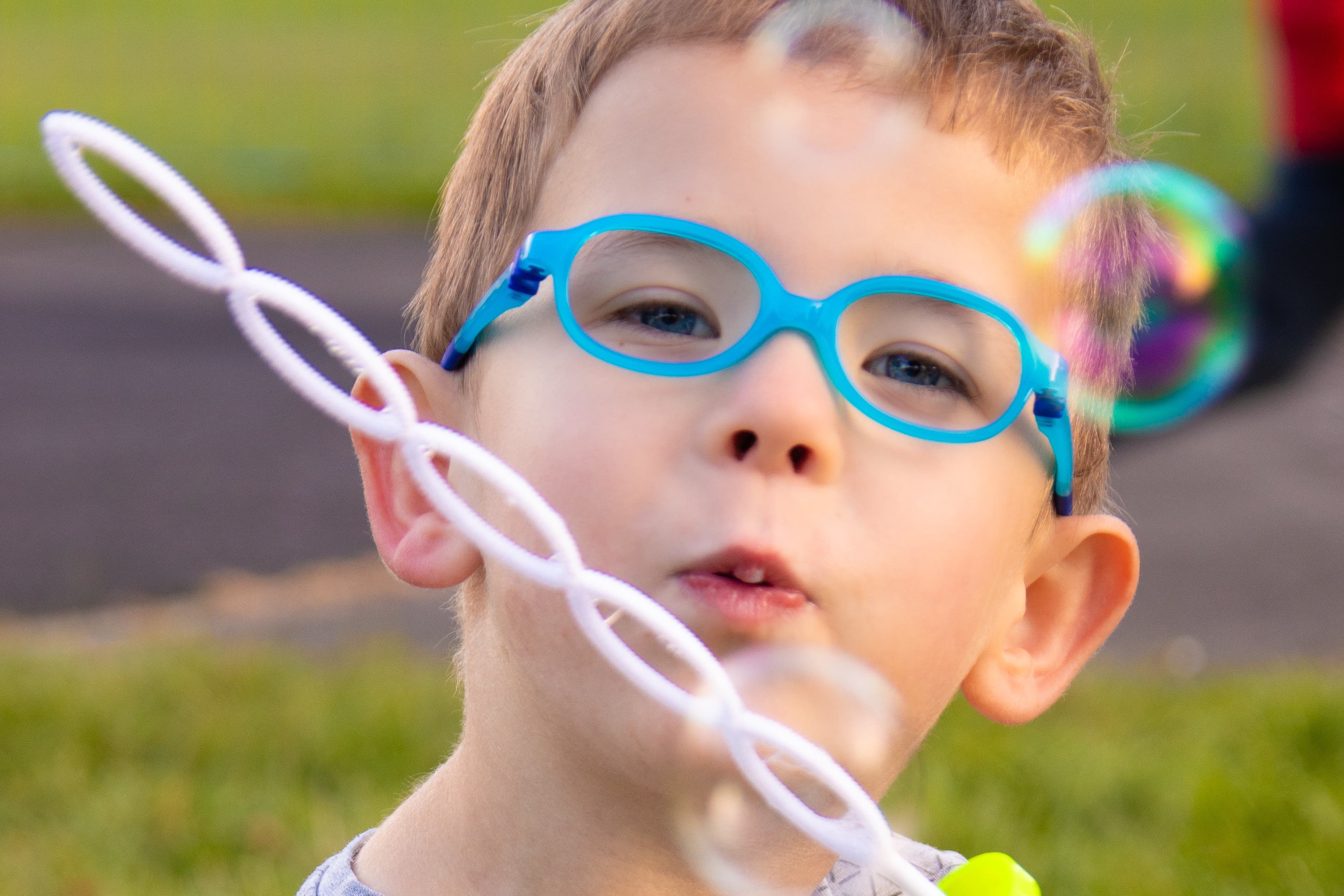
The survey indicates that parents frequently lack confidence regarding the optimal steps to take concerning their kids' eyesight. This hesitation highlights the necessity for more transparent information and support for parents dealing with the complexities of pediatric nearsightedness.
Vision exams have a lower priority compared to dental appointments.
The study, requested by the UK optics sector – the Association of British Dispensing Opticians (ABDO), ABDO ), the College of Optometrists and the Optical Suppliers' Association ( OSA ) – found children’s visits to the optometrist are lower priority for their parents than dental visits – 89% of parents consider dental check-ups very important, while only 79% feel the same about eye tests.
Furthermore, one out of every ten parents believes there’s no need to bring their child to the optometrist unless something specific raises concern, and one out of every five parents is unaware that school vision screenings do not equate to comprehensive eye exams.
“The Mumsnet The survey suggests that many mothers recognize the increase in myopia cases among children in the UK, which has doubled. However, they have limited knowledge about how to address this issue, such as increasing outdoor activities and scheduling routine eye exams with an optometrist," explains Professor Evans.
Rhiannon Evans, who leads communications at Mumsnet, remarks: "While parents understand the significance of eye health, Mumsnet users inform us that they frequently struggle with knowing when and how to have their children’s vision checked—often believing that schools handle this automatically."
It’s evident that there is significant confusion surrounding children’s eye health. While dental exams are considered important, eye examinations frequently do not receive the same level of attention.
Our survey underscores the importance of providing more transparent guidelines for children's eye health. Equipping parents with accurate information is crucial for safeguarding their children's eyesight.
Annual eye tests
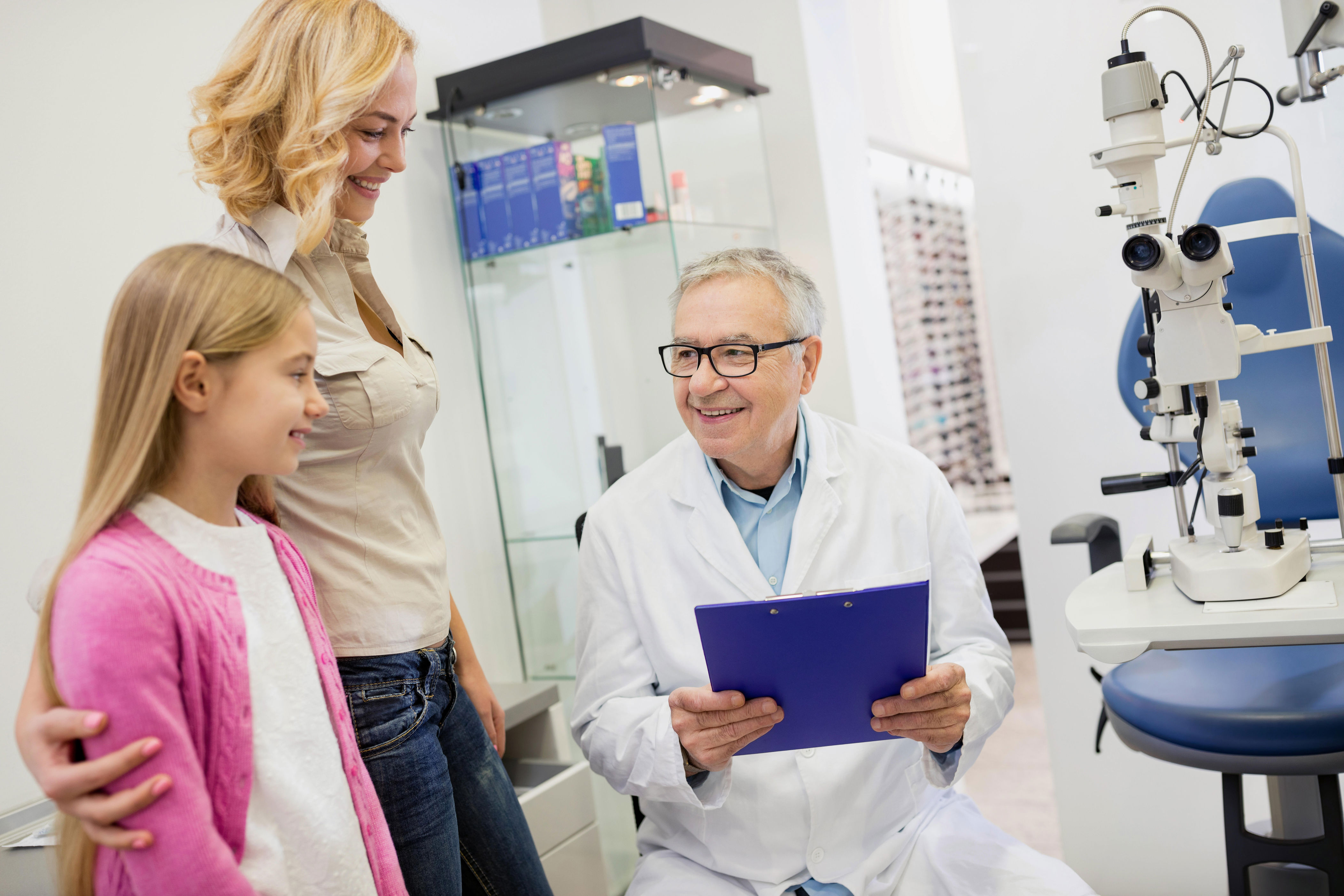
The College of Optometrists suggests that children aged under 16 get an annual eye examination beginning at about three years old (regular eye tests are provided for infants and young kids to detect issues promptly). If a child has visual impairments or myopia, however, they should undergo testing more often than once a year.
Children Individuals under 16 years old, along with those between 16 and 18 who are enrolled in full-time education, have the expense of their eye exam covered by the program. NHS Children in these categories will additionally receive a voucher to offset the expense of a pair of glasses, potentially covering the entire cost or contributing toward pricier alternatives.
Professor Evans states that myopia, typically beginning after the age of five years, is the most prevalent issue significantly impacting children's eyesight.
"One major source of confusion is that numerous parents aren't aware that child vision screenings aren't available in every part of the country," he explains, noting that these checks usually happen just once, around ages four to five.
"So, in the majority of instances, myopia goes undetected through standard vision screenings," he clarifies, emphasizing that parents frequently aren't aware their children might not complain about poor eyesight and therefore require routine eye exams conducted by an optometrist.
Having trouble seeing in class

The College of Optometrists indicates that aside from the evident social and educational issues stemming from impaired eyesight, there are also lesser-known long-term consequences. Even minor degrees of nearsightedness increase an individual’s risk for significant eye disorders as they age, specifically concerning retinal detachment, cataracts, and glaucoma.
Children may have difficulty seeing what the teacher has written on the whiteboard in class due to myopia, which blurs vision," explains Professor Evans. "As a result, this puts them at a disadvantage and naturally affects their focus during lessons since they cannot clearly see what is being written.
Since nearsightedness develops slowly over time, children might not recognize that their eyesight is deteriorating.
Refusing to wear glasses
In the open comments section of the survey, one respondent said: “I work in a secondary school as a teaching assistant and am always surprised by the amount of students that complain they can’t read the board, yet don’t have glasses and have never been tested.
Additionally, some students own glasses but choose not to wear them at school.
Evans highlights that the perception of glasses as uncool can hinder children from getting their vision corrected. "Parents are concerned about how wearing glasses or eye patches could affect their child's confidence or self-esteem."
However, Professor Evans states: "Fortunately, the era of conventional NHS spectacles has passed. Currently, NHS funding for kids' eyewear comes through vouchers, allowing children to pick frames they enjoy, which aids compliance. For those reluctant to wear glasses, contacts serve as an excellent alternative."
According to the survey, 85 percent of parents think that restricting screen time is the most effective method for maintaining their children's eye health. This was closely followed by encouraging kids to consume lots of fruits and veggies (69 percent), as well as ensuring they spend sufficient time outside (57 percent).
Professor Evans mentions that research indicates multiple elements can negatively impact children’s eyesight, such as insufficient outdoor exposure, early academic stressors, and the usage of smartphones and tablets.
He states: "The Mumsnet survey highlighted worries regarding smartphones; however, there was lesser recognition of the significance of spending time outside. This aspect likely holds greater value compared to smartphone usage, and caregivers ought to strive for at least two hours daily dedicated to outdoor activities."
Keeping near-vision materials at an appropriate distance is crucial and likely equally relevant for books as it is for smartphones and tablets.
The Independent has consistently maintained a worldwide viewpoint. Rooted in strong foundations of exceptional international journalism and analysis, The Independent now boasts a reach that seemed unimaginable at its inception as a newcomer in the UK media landscape. For the first time since the conclusion of the Second World War, these independent ideals—pluralism, rationality, a forward-thinking and compassionate approach, and global engagement—are facing challenges globally. Nonetheless, The Independent continues to expand.