
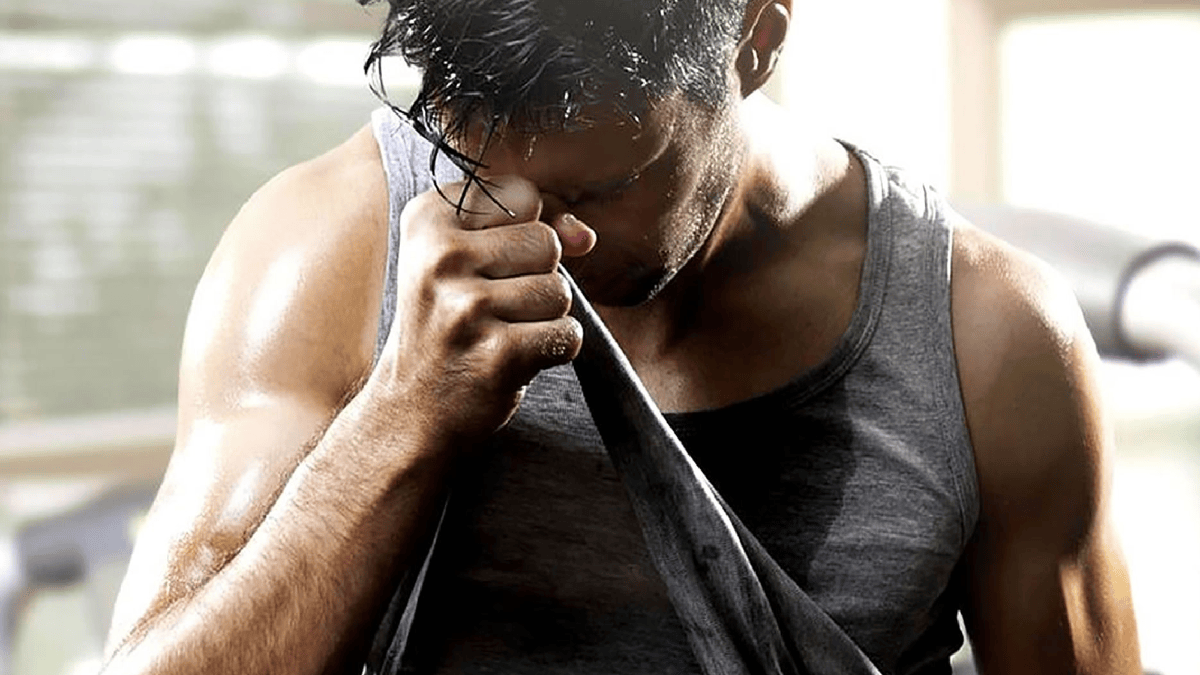
Consider the idea that the more you perspire, the more weight you lose? Think again! Fitness circles frequently propagate misconceptions that could jeopardize your well-being. A prevalent one is the notion that wearing additional layers when exercising significantly aids in losing excess kilograms. For today’s installment in our health section, let’s debunk this misconception and provide some useful guidelines for safer, more efficient workout routines.
In our relentless pursuit of rapid outcomes, we often turn to tactics that seem sensible at first glance but are ultimately deceptive. The notion that increased perspiration directly correlates with greater fat loss is a harmful misconception we must abandon entirely.
Indeed, when we engage in strenuous physical activity, our body temperature rises and we start sweating as a way to maintain thermal balance. This mechanism is crucial for avoiding heat overload. Nonetheless, the quantity of sweat produced does not directly reflect the rate at which our bodies burn fat. Typically, the reduction in weight following an intense workout with copious sweating stems from losing fluids, which should be restored properly!
Sweat Doesn’t Equal Fat Melted: The Bare Facts!
It’s quite typical to believe that a drenched t-shirt after a rigorous cardio workout serves as undeniable evidence that we’ve burned copious amounts of calories. However, this isn’t entirely accurate! The main function of sweating is actually for our bodies to regulate their temperature. During physical activity, our muscle tissues become warmer, and sweat helps cool us down naturally.
When we perspire, what primarily gets lost from our body consists mostly of water along with electrolytes—substances which typically get replenished post-exercise through hydration. Numerous research findings indicate that how much one sweats does not directly correlate with their fat loss levels. Otherwise, individuals prone to excessive sweating would inherently be slim, but this isn’t something supported by reality!
Why Do We Fall for This " Trick "? Unveiling the Motivation Driving Our Quest for Rapid Weight Loss
In today’s fast-paced society, we desire instant outcomes! With busy schedules filled with work and obligations leaving minimal leisure time, we look for quicker ways to accomplish our objectives, including those related to health and exercise. The notion that wearing extra layers increases perspiration thereby speeding up weight loss aligns with this urgent demand, despite lacking empirical evidence.
Wearing too much clothing while exercising might appear as an easy way to “increase sweating” and thus “shed more pounds.” However, this approach can be risky. It stops sweat from evaporating correctly, which interferes with our body’s inherent capacity for cooling off. This could result in:
- Dehydration: Losing too much fluids without adequate replacement can lead to tiredness, lightheadedness, migraines, and potentially severe issues.
- Heatstroke: In severe instances, excessive heating may result in heatstroke, a critical health issue necessitating prompt care.
- Electrolyte imbalance: Sweat includes crucial electrolytes such as sodium and potassium. Excessive loss of these can impact muscle and nerve functionality.
Watch out! The Dangers of Exercising While Bundled Up
This activity, instead of providing benefits, may result in significant health issues. The primary danger involves an unhealthy rise in body heat. Wearing additional clothing beyond what is needed causes our body to warm up faster, leading to increased perspiration. Consequently, this might lead to an extreme depletion of bodily fluids and electrolytes, potentially resulting in lightheadedness and potential loss of consciousness.
However, the dangers do not stop there. Engaging in physical activity can heighten the risk of experiencing heat exhaustion, which arises when your body’s temperature climbs to perilous heights and becomes incapable of maintaining control over it. Furthermore, conducting workouts in sweltering gym settings amplifies the probability of enduring heatstroke—a critical health crisis—considerably.
In summary:
- Increased perspiration does not necessarily indicate greater fat loss.
- Perspiring is a method used by the body to maintain thermal equilibrium.
- Dressing in heavier clothing to induce sweating may lead to dehydration, an imbalance of electrolytes, heat exhaustion, and even heatstroke.
Now you’re aware—leave behind the additional hoodie during your workout session! Prioritize your health above all else. Opt for suitable athletic attire that enables ease of movement and supports your body’s normal sweating process. For achieving significant and enduring outcomes, concentrate on nutritious meals, regular physical activity, and pay attention to what your body needs. Avoid falling prey to harmful misconceptions that might jeopardize your wellness.