
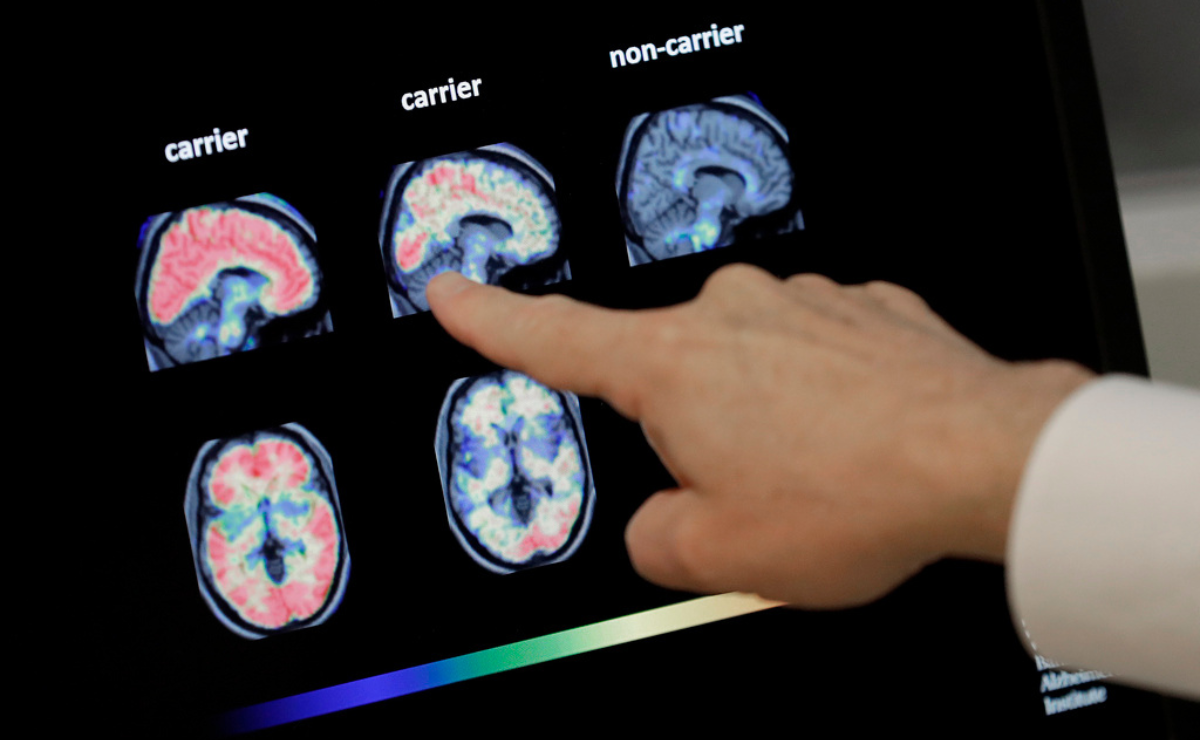
A vaccine for combating dementia? It seems there might already be one—vaccinations that ward off agonizing shingles also seem to shield elderly minds from decline.
A recent study revealed that the shingles vaccine reduces the risk for older individuals. developing dementia over the coming seven years by 20%
The study, released Wednesday in the journalNature, contributes to the expanding knowledge regarding many factors influence brain health as we age – and what we can do about it.
"It's a highly robust finding," stated lead researcher Dr. Pascal Geldsetzer from Stanford University. Additionally, "women appear to gain more advantage," which is significant. They face an increased danger of developing dementia. .
The research followed individuals in Wales who were approximately 80 years old at the time of receiving the initial version of the shingles vaccine more than ten years prior.
Now, Americans 50 and older are urged to get a newer vaccine that’s proven more effective against shingles than its predecessor.
Dr. Maria Nagel from the University of Colorado Anschutz Medical Campus, an expert on viruses that invade the nervous system, noted that these fresh discoveries provide additional motivation for individuals to think about getting vaccinated.
The virus "poses a danger for dementia, and now we have a method that can reduce this risk," according to Nagel.
As Alzheimer’s disease and various types of dementia become more prevalent among older populations, "the ramifications of this research are significant," noted Dr. Anupam Jena, a Harvard-based physician and health economist, in his Nature editorial.
What is shingles?
Almost everyone born before 1980 has likely contracted chickenpox at some point, which means they carry the virus indefinitely. This virus remains dormant within nerve tissues and may reactivate during times of weakened immunity due to sickness or old age, leading to agonizing, fluid-filled blisters usually appearing on just one side of the body—a condition known as shingles—persisting for several weeks.
Approximately one out of every three Americans will contract shingles, as stated by the Centers for Disease Control and Prevention. Although most people make a recovery, it can occasionally lead to complications. severe complications.
When it affects the eyes, it may lead to visual impairment. As many as 20 percent of individuals with shingles experience severe neuralgia lasting for months or even years following the disappearance of the rash.
What is the connection between shingles and dementia?
The exact formation process for Alzheimer’s disease and various forms of dementia remains unclear. However, specific viruses that manage to invade the nervous system—particularly those from the herpes family such as the varicella-zoster virus responsible for causing chickenpox—are believed to contribute alongside genetic predispositions and other elements that increase susceptibility.
Last summer Doctors from Boston’s Brigham and Women’s Hospital found that experiencing an outbreak of shingles might increase a person's chance of developing dementia by approximately 20%.
In part, this occurs because the virus can lead to inflammation, which is detrimental to various organs, such as the brain. Additionally, it has the capability to directly attack blood vessels within the brain, resulting in clot formation and obstructed blood flow. This poses risks for both stroke and dementia, according to Dr. Nagel from Colorado.
Moreover, her laboratory found that shingles can trigger the production of a sticky protein known as amyloid, which is one of the characteristic features of Alzheimer's disease.
Can shingles vaccinations help prevent dementia?
People who receive suggested vaccinations often engage in additional brain-friendly practices such as exercise and maintaining a healthy diet, making it difficult to demonstrate an additional advantage.
Stanford’s Geldsetzer capitalized on "a natural experiment" in Wales, where shingles vaccinations were introduced with an age restriction: individuals who were 80 years old or older as of September 1, 2013, were not eligible, whereas those who had just turned 79 could receive the vaccine.
Studying seniors who barely qualified versus those who did not quite make it would resemble an experiment where comparable individuals were randomly chosen to receive vaccinations or go without them.
Geldsetzer’s group examined over 280,000 medical records and discovered indications that the vaccination provided some defense against dementia. Back then, individuals were administered a first-generation vaccine known as Zostavax.
An important next step is testing whether today’s vaccine, Shingrix, also offers dementia protection, Nagel said. Another research group recently reported some evidence that it does.
Last month, vaccine maker GSK declared a partnership with UK health authorities to monitor the cognitive well-being of elderly individuals following their vaccinations.
Geldsetzer likewise aims to conduct further research on that initial dose to determine whether the kind of vaccine could have an impact.
What do the guidelines say about getting vaccinated against shingles?
Shingrix is a vaccination administered once as two separate doses several months apart. According to the CDC recommendations, this vaccine should be taken by individuals aged 50 and older; however, it may also be advisable for younger adults suffering from specific immune-compromising conditions — which includes those previously vaccinated with the initial version of the shingles vaccine.
Less than 40% of Americans who can get vaccinated have done so.
Common side effects include discomfort at the injection site along with symptoms similar to those of the flu, such as fever and muscle aches. The CDC advises that if you are presently battling viruses like influenza or COVID-19, it’s best to postpone getting the shingles vaccine until after you have recovered.
Although there is no definitive way to prevent dementia, physicians suggest several practical measures to reduce the likelihood of developing it. Engage in social activities and mental exercises. Additionally, manage hypertension and, for those with diabetes, maintain optimal blood glucose levels, as both conditions are associated with a decrease in cognitive function.