
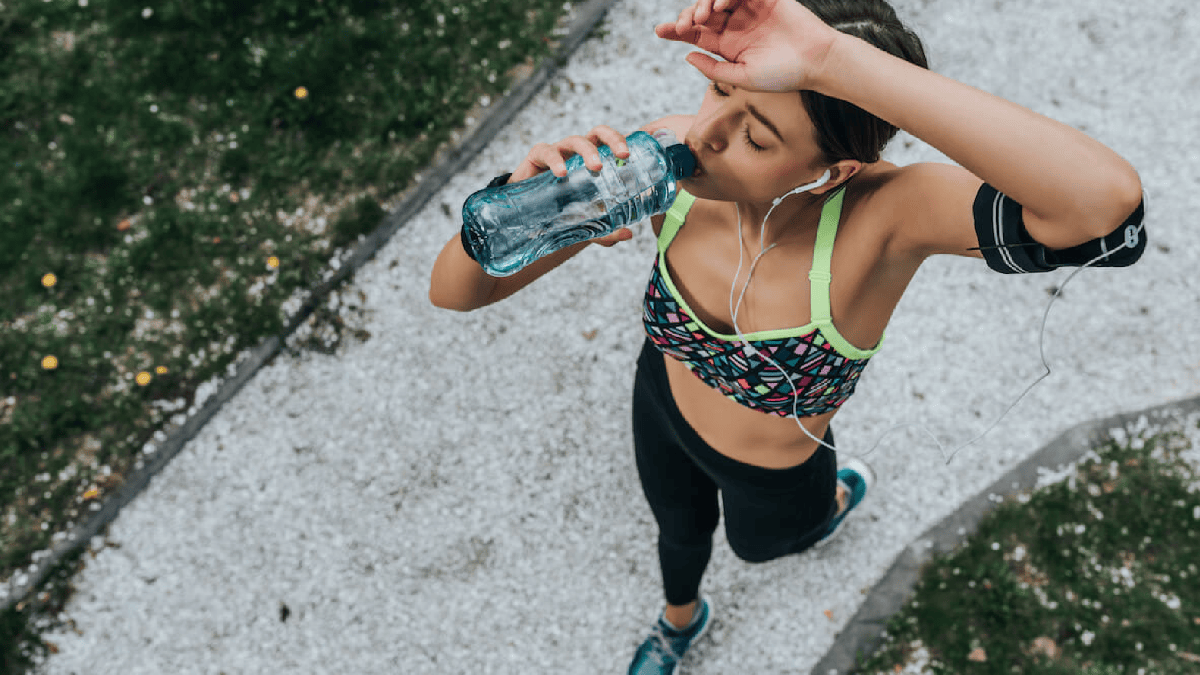
Maintaining proper hydration goes beyond satisfying your thirst; it’s vital for your body to operate smoothly! It helps in cushioning your joints, maintaining your body temperature, and moving important nutrients around. Water acts as the unsung hero boosting your bodily functions.
Water vs. Sports Drinks: Understanding Your Choices
Occasionally, the easiest solution proves to be the finest one. When it pertains to hydrating during mild to medium intensity exercises, water frequently takes center stage! Typically, just a hearty swig of water post-workout should suffice for rehydrating our bodies.
If you fall into the category of people who engage in rigorous activities lasting over three hours, such as high-intensity workouts or marathon runs, think about enhancing your post-exercise recovery with chocolate milk. That’s correct! This tasty beverage supplies both carbs to replenish your energy stores and proteins to aid in repairing muscle micro-tears caused by strenuous activity. Additionally, it includes sodium and calcium—minerals lost through sweating.
If milk doesn’t suit your taste, fret not! Beverages like sports drinks, coconut water, or alternative choices can effectively help with hydration and restoring electrolyte balance. Electrolytes play an essential role in regulating bodily fluids and maintaining ideal blood pH levels. However, be aware that you can obtain these crucial electrolytes from nutrient-rich foods such as avocados, bananas, orange juice, and tofu too. Mother Nature provides all we need!
The Perfect Balance: Heed Your Body’s Cues (Along With These Suggestions)
There's no magic formula to know exactly how much water you should drink during exercise—every body is different! The best guide is usually your own thirst. If you feel your mouth is dry, drink up!
If you're someone who likes to delve deeper into things systematically, you can determine your sweat rate with a simple calculation. Just step onto the scale before and after exercising and perform some basic arithmetic. Say you perspire away one quart within sixty minutes; then, ideally, aim to consume roughly eight ounces of water each quarter-hour interval. Should numbers not be your forte, here’s an easier guideline: try drinking anywhere from four to eight ounces every fifteen to twenty minutes throughout your exercise session, particularly if excessive sweating tends to occur for you.
Watch Out for Overdoing It!
Even though it happens less frequently, drinking excessive liquids during workouts is still something to be aware of, particularly for athletes participating in long-duration activities such as marathons and triathlons. Consuming copious quantities of fluid—be it water or sports beverages—and not adequately restoring lost sodium levels may lead to an unsafe situation known as hyponatremia. The signs of this disorder encompass symptoms like feeling agitated, experiencing confusion, suffering from weariness, enduring headaches, having low blood pressure, dealing with muscle spasms, facing nausea, undergoing vomiting spells, and potentially leading to convulsions or lapses into unconsciousness. Hence, although hydration remains crucial when exercising, make sure you're balancing your intake properly!
The Importance of Hydration: Consume Liquids Pre-Exercise, In-Workout, and Post-Training
Starting to drink liquids isn’t something you should wait until you get thirsty during your exercise session; instead, begin consuming fluids beforehand! For instance, if you’re planning to participate in a marathon, specialists advise beginning the hydration process about one and a half to two hours prior.
Moreover, consuming fluids during your workout is crucial to prevent hitting the stage of complete fatigue towards the session’s conclusion. It's wiser to be cautious!
Following a solid workout session, minor “wear and tear” within your cells and tissues is quite typical. Consuming a high-protein shake aids significantly in their restoration. Additionally, since exercising consumes substantial amounts of energy, aim to ingest roughly three times as many carbs compared to proteins for effective recuperation. Drinking a glass of flavored milk serves not only to maintain this equilibrium but also helps restore lost liquids simultaneously!
Failing to consume adequate amounts of water can result in numerous health issues. A frequent problem is feeling exhausted because your blood gets more viscous, making your heart exert itself even further just to circulate it effectively. However, the consequences extend much farther: you might experience disorientation, blackouts, decreased urination output, hypovolemic shock, an accelerated heartbeat, and quickened respiration rates among others. It’s always wiser to stay hydrated!
Working out is fantastic for your overall health, yet losing fluids comes as an unavoidable consequence. It’s essential to maintain proper hydration constantly, particularly during workouts, which plays a key role in both your comfort and effectiveness. Understanding the quantity, timing, and type of beverages can significantly enhance your wellbeing, boost your performance, and make your fitness routine more enjoyable. Therefore, keep those liquids coming!