
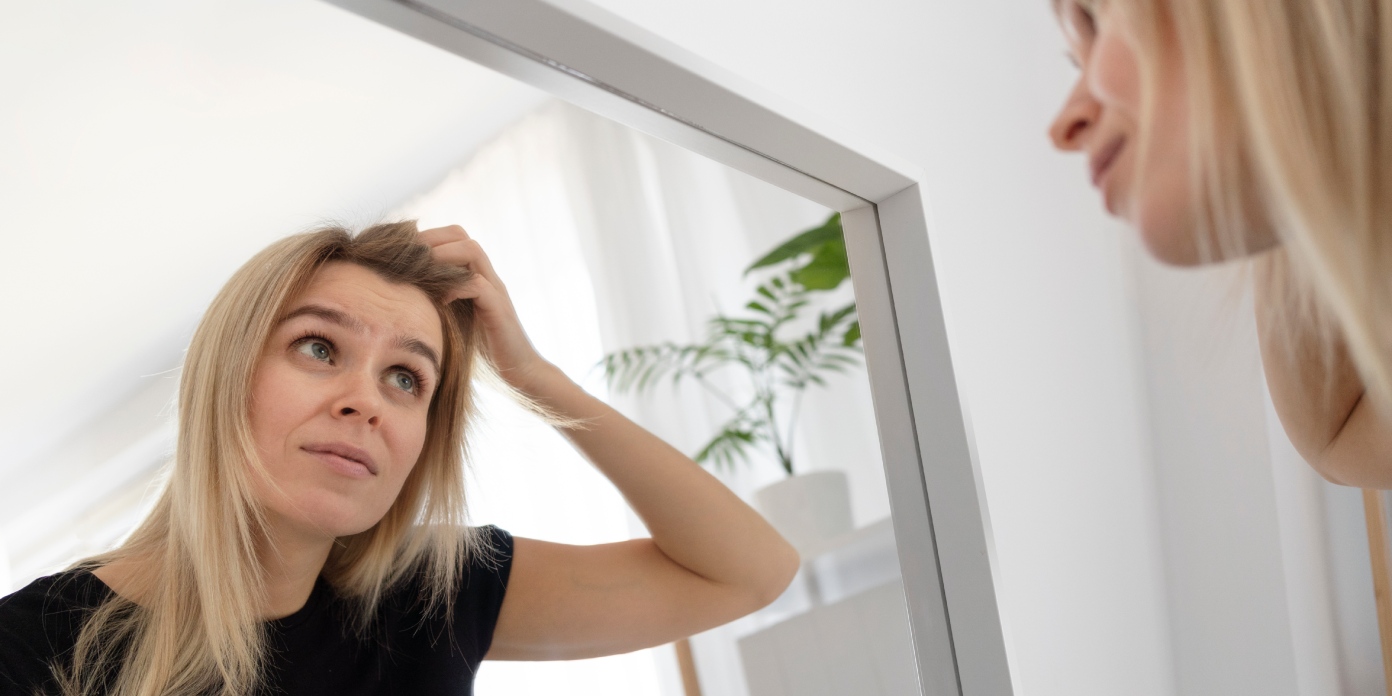
Your hair may not even be clean from the previous wash, but already the following day, your roots appear dull and oily. Quite frustrating, isn’t it? Instead of blaming your scalp or overusing dry shampoo, consider that certain everyday practices might actually be at fault here. Often enough, it’s these minor actions that hinder your progress without you realizing.
Shampooing your hair frequently
It can be quite enticing, particularly when your locks feel greasy and weighed down. Nonetheless, shampooing daily might lead to an unwelcome loop. Every time you cleanse, you strip away the natural oils meant to safeguard your scalp. Consequently, your scalp reacts by ramping up production of additional oil as compensation. What works best is slowly increasing the intervals between washes so your scalp regains its balance over time.
To make the best choice, select a mild shampoo and aim to reduce washing frequency by, say, incorporating dry shampoo in between wash days.
Using the wrong shampoo
All shampoos aren’t made alike; the product you’re currently using might be why your locks become oily fast. Using a shampoo that’s overly strong can strip away essential oils from your scalp, prompting it to generate extra sebum as compensation. On the flip side, a formula that’s excessively nourishing may cause heaviness at the roots, making your tresses appear greasy sooner than expected.
The correct action is to select a mild, sulfate-free shampoo designed for oily hair.
Using excessive conditioner or nourishing treatments
We adore those deeply moisturizing masks and conditioners that guarantee fabulous locks. However, proceed with caution: applying these products right up to the roots will inevitably lead to trouble. They tend to be overly rich and can make your scalp heavy, encouraging excess oil production.
The most advisable action is to apply these treatments solely to the mid-lengths and ends. Your roots do not require them.
Running your fingers through your hair frequently
It’s a subconscious action, yet terribly perilous for your scalp . Running your hand through your hair, constantly re-styling it or fiddling with it at the slightest gust of wind directly transfers the sebum and impurities from your hands to your hair.
The most effective action: try not to touch your hair at all during the day. If needed, secure it neatly to reduce the urge.
Using a dirty brush
How long has it been since you last cleaned your brush? If it’s exceeded one week, it’s high time for some attention! Brushes collect sebum, leftover hair products, and dirt. Each sweep puts those impurities back onto your scalp.
The correct reflex: cleanse your brush once every seven days using warm water and a small amount of gentle shampoo.
Washing your hair with water that is excessively hot
Indeed, enjoying a steaming shower is wonderful, but your scalp might not agree. Hot water boosts oil secretion, potentially exacerbating greasy hair issues.
Use cool or even cold water when rinsing your hair to close the cuticles and reduce extra oil production.
Overusing heating devices
Flat irons, curling wands, hairdryers—they all have a tendency to parch your hair strands, prompting your scalp to generate extra oil as compensation. This leads to greasy roots paired with dried-out tips—a combination best avoided.
The correct response: reduce the usage of these gadgets and ensure you always apply a heat protectant beforehand.
Resting your head on an unclean pillowcover
When you shampoo your hair, do you ever consider how pristine your pillowcase truly is? As you slumber, your scalp deposits oils onto it. Failure to frequently swap out your pillowcase means you're essentially resting your head on a bed of germs and buildup, which can then transfer back onto your tresses.
The correct reflex: switch out your pillowcase at least weekly, possibly even biweekly, particularly if your hair becomes oily fast.
An unbalanced diet
Often, we may not recognize this, yet the food choices we make significantly impact our hair’s condition. Consuming an excess of refined sugars, saturated fats, and processed items can boost oil secretion, leading to greasier locks.
Choose foods abundant in B vitamins, zinc, and vital fatty acids (such as nuts and avocados) to maintain a healthy scalp.
Stress and hormones: secret perpetrators
Stress and hormonal fluctuations have a direct impact on sebum production. A stressful period or hormonal imbalance can lead to excess sebum, making your hair oilier than usual.
The appropriate action to take is to employ stress management methods such as meditation, physical activity, or brief periods of rest to restore balance within yourself.
Having hair that gets greasy quickly isn't inevitable. By correcting some of these bad habits, you can regain lighter hair. Try these tips and see the difference: your hair will thank you.